







Search Results for: Roast Log Sheet
Colombia El Mirador Estate Washed Caturra Green Coffee Bean Review and Roast Log
In recent years, more and more micro green coffee traders specializing in single countries of origin have entered the market. They are more closely connected with estates, so the probability of their products being a miss is relatively lower. This review features Front Street Coffee Colombia Little Cabin Estate Washed Caturra coffee beans, from Company C, a green coffee trader specializing in Colombia. This bean has jasmine floral notes, chocolate, caramel, and moderate acidity. We conducted a 500g roasting test and recorded the complete cupping performance. In Michael Sheridan's experiments, the Caturra variety usually shows medium acidity and body, with cupping scores of about 82-85 points. This bean can be used both for pour-over single-origin brewing and for blends, but its SOE performance is somewhat monotonous. The detailed review process is as follows. [more…]
Costa Rica Fuego Phoenix Estate Blue Sapphire SOE Espresso Preparation Log: Extraction and Milk Coffee Performance of a Light-Medium Roasted Single-Origin Espresso Bean
This article is the first in a series of SOE espresso experiments launched by Front Street Coffee, using Costa Rican Fuego Phoenix Estate Sapphire coffee beans to make espresso. These beans come from the Central Valley, at an altitude of 1600 meters, sun-dried, with varieties Caturra and Catuai. The article documents in detail the extraction parameters and flavor performance, and extends to pairing tests with milk coffee. Since the beans' roast level was originally more suited to pour-over, when used for SOE, the resting period needs to be extended and the extraction time lengthened to 35 seconds, in order to fully release the fermented aromas and avoid under-extraction. If you are interested in single-origin espresso, you may wish to refer to the parameters in this article to explore more possibilities with these beans. [more…]
Front Street Costa Rica Mozart Roast Log: A Comparison of Six Batches Across Two Approaches, with Brewing Recommendations
When faced with a new bean, roasters typically start by gathering origin information and the flavor descriptions provided by the green bean supplier, then gradually adjust through test roasts and cupping. Front Street Coffee Costa Rica Mozart is known for its unique raisin honey process and complex aroma. This article documents the complete roasting exploration process for this bean: first, three test roasts were conducted using a stepwise decreasing heat and extended dehydration approach, but cupping revealed the flavor was rather light; subsequently, three more roasts were done using rapid dehydration and increased heat to drive aroma, and ultimately a curve combining floral notes and fermented winey aroma was selected. The article also includes pour-over extraction parameters and brewing techniques for coffee enthusiasts' reference. [more…]
Ethiopia Natural Yirgacheffe Aricha Region Flavor Analysis and Pour-Over Brewing Log
Yirgacheffe is synonymous with Ethiopian specialty coffee, and the sun-dried lots from the Aricha processing station are among the finest of them all. This article documents the tasting and brewing experience of Front Street Yirgacheffe Aricha G1, providing a comprehensive analysis of this coffee hailed as the "King of Fruits," from cupping flavors to terroir. The article also introduces the washed Yirgacheffe Konga Cooperative from the same region, and delves into Ethiopia's geographical and climatic advantages as the birthplace of coffee, helping coffee enthusiasts gain a more complete understanding of the flavor sources and brewing key points of Yirgacheffe. [more…]
A Comprehensive Analysis of Coffee Cupping Methods: Flavor Evaluation Differences Between the Brazilian Method, SCAA, and Front Street Coffee's Pour-Over Cupping
Cupping is a core method used in the coffee industry to objectively evaluate coffee flavor and quality, and it is also an important part of barista training. This article systematically reviews the significance and operational logic of cupping, and compares in detail three approaches: the Brazilian cupping method, the SCAA standard cupping method, and the pour-over cupping method recommended by Front Street Coffee. The article points out that Brazilian cupping focuses on identifying defects and is a negative evaluation; SCAA cupping emphasizes positive assessment of aroma and flavor; while the cupping method used by Front Street Coffee simulates daily brewing equipment and is closer to actual cafe output. The three methods each have different emphases in roast level, extraction method, and evaluation items, and understanding these differences helps roasters and coffee professionals judge coffee quality more accurately. [more…]
A Complete Guide to Kenyan Coffee Bean Grades: AA, PB, E Explained with a Roasting Log of Ichamama Peaberry
Kenya AA coffee occupies a pivotal position in the global specialty coffee landscape, yet the letter grades surrounding it are often confusing. What exactly do these codes—E, PB, AA, AB, C, TT, T, MH/ML—mean? From the perspective of Front Street Coffee, this article systematically sorts out Kenya's grading system based on raw bean screen size, and takes an in-depth look at a Peaberry from the Ichamama Factory in the Nyeri region, presenting the unique charm of Kenyan PB in full through raw bean information, cooperative background, four-roast comparison experiments, and cupping performance. At the end, it also includes Front Street Kenya Small Tomato AA's brewing parameters and flavor description, offering readers an intuitive AA vs. PB reference. [more…]
The Complete Guide to Costa Rican Honey Process Coffee: Black Honey Flavor Profile, Pour-Over Parameters, and Front Street Diamond Series Brewing Log
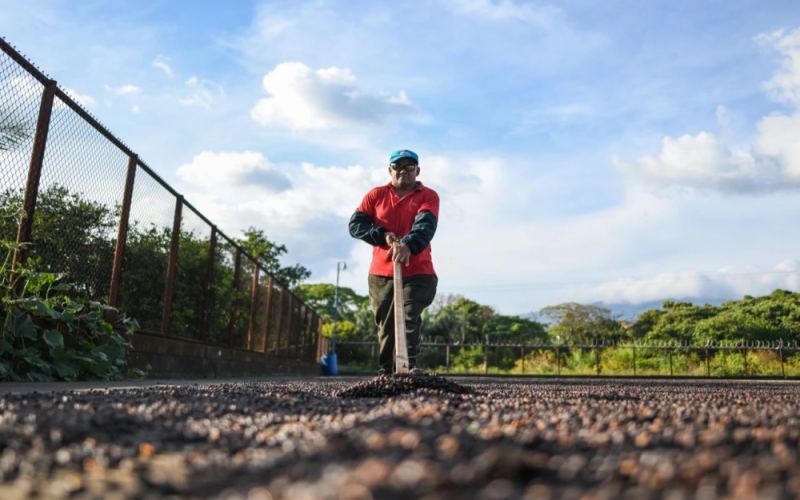
Honey processing is the most iconic coffee processing method in Costa Rica, but you may not know that, depending on the degree of mucilage retention, honey processing is further divided into multiple grades such as black honey, red honey, yellow honey, and white honey. This article starts with a Costa Rican Diamond Series black honey from Front Street Coffee, and sorts out the origins and evolution of honey processing, the process differences between the various grades, and the innovative raisin honey processing method that has become popular in recent years. The article also includes the roast curve, cupping report, and V60 pour-over parameters for this Front Street Coffee black honey coffee, including water temperature, coffee-to-water ratio, grind size, and staged pouring technique, making it easy for coffee enthusiasts to replicate at home. If you want to understand why honey-processed coffee has such pronounced sweetness and a rich, full-bodied mouthfeel, this content is worth reading carefully. [more…]
Guatemalan Coffee Brewing Log and Full Analysis of Five Major Regional Terroirs: From the Clever Dripper to the Antigua Origin
This article documents two brewing comparisons of Front Street Guatemalan coffee beans in a Clever Dripper, detailing the differences in flavor and adjustment approaches from grind setting and water temperature to pouring rhythm. The second round won out with a fuller mouthfeel and citrusy sweet aftertaste. It then systematically reviews the five major coffee-producing regions of Guatemala—San Marcos, Acatenango, Atitlán, Cobán, and Antigua—covering the altitude, harvest period, varieties, and terroir characteristics of each region, providing coffee enthusiasts with a reference note that combines practical brewing with producing-region knowledge. [more…]
Analysis of the Definition of Single-Origin Coffee Beans and a Brewing Log of Costa Rica Mirazu Estate Raisin Honey-Process Geisha Blend
How exactly are single-origin coffee beans defined? This article begins with Front Street Coffee's Geisha blend, sorting out the naming logic and origin awareness of single-origin coffee, and takes a deep dive into Mirazu Estate in the Tarrazú region of Costa Rica, analyzing the composition of its multi-variety blend of Geisha, ET47, SL28, and Maico, as well as the processing details of the raisin honey method. The estate owner Esteban Sanches's formal academic background and experimental spirit give this bean both floral notes and berry sweetness. The article also fully presents Front Street Coffee's roasting curve, cupping report, and V60 brewing parameters, providing coffee enthusiasts with a full-process reference from green bean understanding to extraction execution. [more…]
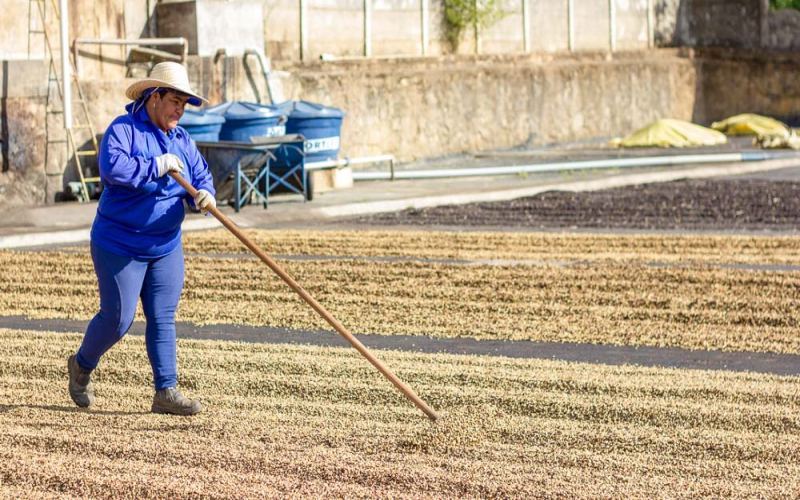
A Complete Guide to Brazil Cerrado Coffee: Flavor Analysis, Red Bourbon Roasting, and Brewing Log
Brazil, as the world's largest coffee producer, has fluctuations in any of its regions that ripple through the international coffee market. Among the many producing regions, the Cerrado in the central-west of Minas state, with its fertile soil and distinct wet and dry seasons, nurtures the "soft bean" flavor profile known for low acidity, nutty and chocolate sweetness, and full-bodied balance. The Brazil Cerrado Red Bourbon from Front Street Coffee's daily drinker series is a classic representation of this style—interweaving roasted nuts, chocolate, cream, and caramel, it suits those who dislike acidity and prefer a rounded mouthfeel. This article will systematically cover the terroir conditions of the Cerrado region, Brazil's coffee taste classification and main producing regions, and provide a complete record of Front Street Coffee's medium roast profile for this Red Bourbon, along with the Kono dripper segmented brewing method. Finally, it will explain in detail the process differences among Brazil's four processing methods—natural dry process, pulped, semi-washed, and washed—helping coffee enthusiasts fully understand the flavor logic of Brazilian coffee from origin to cup. [more…]

Pour-Over Coffee Beginner's Guide | How Should Coffee Newbies Choose Coffee Filters? How Do You Use Coffee Filters? What Types of Coffee Filters Are There?
For professional coffee knowledge exchange and more coffee bean information, please follow FrontStreet Coffee. How to choose coffee filter paper? How to use coffee filter paper? What types of coffee filter paper are there? Many enthusiasts buy their own coffee beans, use a grinder, and purchase equipment to brew coffee, all [more…]
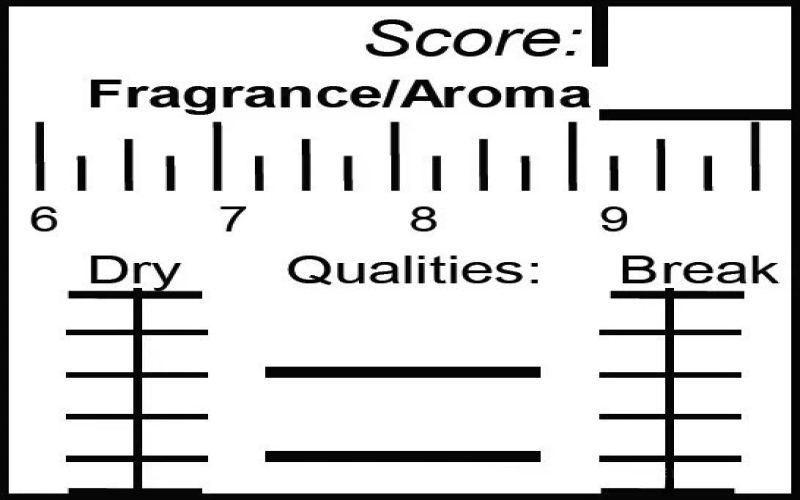
SCAA Coffee Cupping Score Sheet Guide: A Detailed Chinese Explanation of the Ten Scoring Points from Aroma to Overall Evaluation
Coffee cupping is a professional evaluation method that transforms subjective sensory experiences into quantitative data, and the SCAA cupping score sheet is the core tool of this system. This article explains the ten scoring dimensions in the sheet one by one, covering fragrance, flavor, aftertaste, acidity, body, uniformity, balance, cleanliness, sweetness, and overall score, helping coffee enthusiasts understand the scoring basis and judgment criteria for each item. Whether you are a beginner who has just encountered cupping or a professional hoping to refine your sensory skills, this detailed Chinese guide can serve as a practical reference. Front Street Coffee also provides relevant product information in the article for further understanding. [more…]

What Exactly Is Double-Chamber Filter Paper? The High-Priced Yin-Yang Pot Filter Paper Pour-Over Method and Budget Alternatives
Front Street Coffee recently came across a uniquely shaped pour-over filter paper—the dual-chamber filter from Spain's Sibarist. Because its interior is divided in two by a partition, netizens have jokingly dubbed it the "double-flavor hot pot filter." The original design intent was to let coffee beans with different characteristics each be extracted separately in a single brew, but at 37.44 euros for 30 sheets—about 9.4 yuan per sheet—it really is staggering as a disposable consumable. Front Street Coffee decided to make a DIY alternative, using two 01-size filter papers in a 02 conical dripper to replicate the dual-chamber structure, and to explore the water temperature and other parameters that need to be considered when actually brewing with this kind of filter. This article will walk you through the dual-chamber filter's construction principle, its official pricing, how to make a DIY alternative, and the core considerations for using it, so you can see whether it's worth buying. [more…]
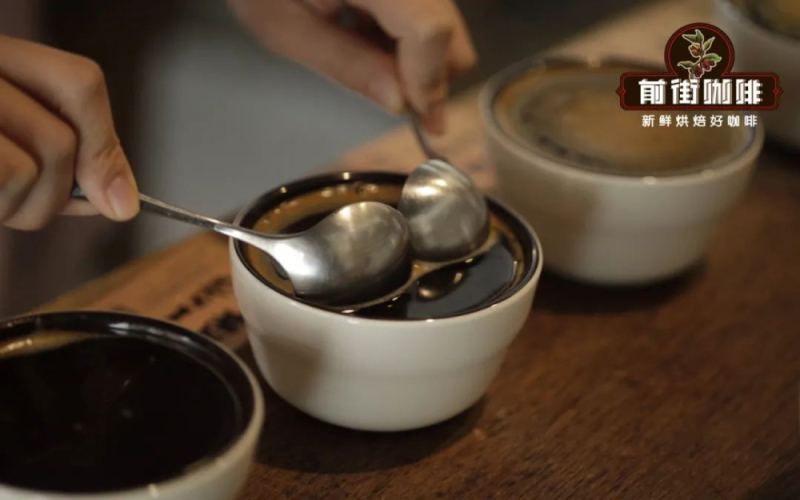
A Detailed Breakdown of the SCAA Cupping Score Sheet: Ten Dimensions from Aroma to Overall Evaluation
The SCAA cupping form is an important tool for judging quality in the specialty coffee industry. It consists of ten scoring categories, covering the complete sensory experience from dry aroma and wet aroma to overall assessment. This article explains the specific meaning and key evaluation points of each scoring dimension one by one: aroma is divided into dry aroma and wet aroma; flavor during slurping is the core basis for scoring; aftertaste measures the persistence of flavor; acidity distinguishes high-quality fruity acidity from undesirable acidity; body focuses on mouthfeel; uniformity checks whether the samples are consistent; balance assesses whether all aspects are harmonious; cleanliness is an essential threshold for specialty coffee; sweetness reflects harvest maturity and quality; and overall assessment reflects the cupper's comprehensive impression. Whether you are an enthusiast who has just encountered cupping or a professional hoping to refine your sensory skills, this item-by-item interpretation can help you understand the logic of using the SCAA cupping form more systematically. [more…]

The Tims flagship store on Shanghai University Road quietly closes, marking the end of a five-year landmark of youthful memories.
Recently, students near Shanghai's University Road discovered that the Tims Coffee University Road store, which had accompanied them for over five years, was dismantling its signage and quietly closing down. When it opened in 2019, this store was the largest location Tims had in Shanghai after entering the city. Comprising a two-story North American-style wooden cabin with a total area exceeding 400 square meters, it was not only a landmark meeting spot for nearby residents but also a carrier of youthful memories for many university students who studied, dated, and prepared for exams off campus. Its sudden closure has sparked widespread attention and regret, as well as various speculations about the reasons behind it. This article will revisit the unique features of this store, present the real reactions of customers, and sort out the possible reasons for its closure. [more…]

Luckin's collaboration stickers with Zootopia 2 hide a twist—users manually swapping outfits may be behind copyright considerations
Luckin Coffee has teamed up with Disney's Zootopia 2 for a collaboration, launching limited-edition drinks, themed packaging, and merchandise, sparking a buying frenzy among fans. However, the themed stickers in the second wave of merchandise hide a clever design—what appears to be an abrupt black triangle pattern is actually a peel-off Luckin apron sticker. Users can place it over the movie characters to complete a "costume change." This design not only circumvents Disney's strict restrictions on brand logos but also achieves promotional goals through user interaction, jokingly dubbed by netizens as "a perfect combination of copyright awareness and creativity." Front Street Coffee has also taken note of the marketing ingenuity behind this collaboration and will break down the details and fun aspects of this partnership for you. [more…]
Tanzania Kilimanjaro AA Coffee Bean Flavor Analysis and Pour-Over Parameters: Bourbon Variety, Washed Processing, and Grading Standards
Among African coffee-producing countries, Tanzania's Kilimanjaro region is often praised by seasoned enthusiasts. This Front Street Coffee Tanzania Kilimanjaro AA coffee bean comes from the volcanic ash soil around Africa's highest peak, is of the Bourbon variety, and is washed-processed, with a cup profile of citrus, berries, honey, and tea notes. In this article, Front Street Coffee will break down the flavor origins of this bean across four dimensions—growing conditions, variety heritage, processing method, and the AA grading standard—and include the complete parameters and brewing log for a segmented V60 pour-over, so readers can replicate it for comparison. [more…]
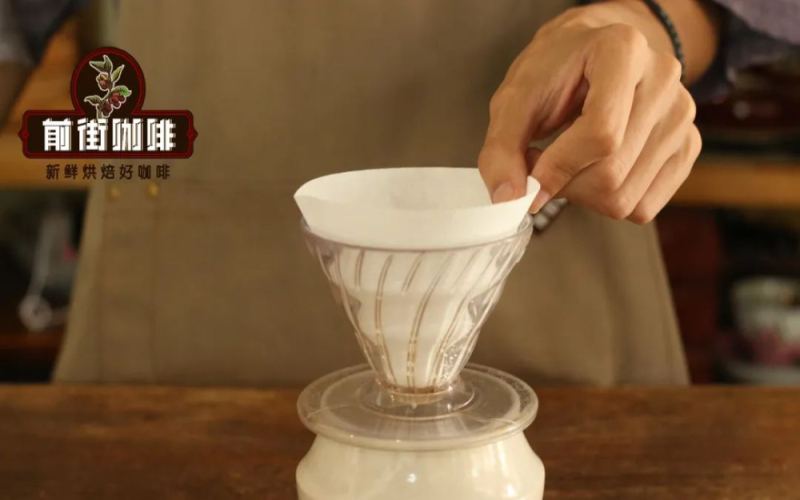
Coffee Filter Paper Guide: Why You Need to Rinse Before Brewing, and a Full Breakdown of Bleached vs. Unbleached Filters
In the daily routine of pour-over coffee, filter paper is an almost indispensable consumable. But have you ever wondered why you usually need to rinse the filter paper with water before the official pour? Between the common white filter papers and natural wood-colored filter papers on the market, which one should you actually choose? Regarding the origins of filter paper, the impact of bleaching processes on flavor and health, the classification of sizes and specifications, and how different manufacturing processes affect the flow rate, Front Street will sort through all of it one by one in this article to help you choose the right filter paper and get the most out of every sheet. [more…]

Annual Review and Buying Guide of Cold Brew Coffee Maker Brands: A Complete Practical Analysis from Bean Selection to Extraction Details
As a low-temperature slow-extraction beverage, cold brew drip coffee has won increasing favor among coffee enthusiasts in recent years. This article walks through the entire process of making cold brew drip coffee, covering everything from the principles of selecting coffee beans and controlling grind size, to tamping technique, pre-wetting steps, filter paper placement, drip rate and coffee-to-water ratio, and the timing of refrigerated fermentation, explaining each in detail one by one. At the same time, drawing on Front Street Coffee's actual production experience, it shares a variety of single-origin bean recipes and blending ideas suitable for cold brew drip, helping readers make a cup of cold brew drip coffee with a clean flavor and balanced acidity and sweetness at home. [more…]
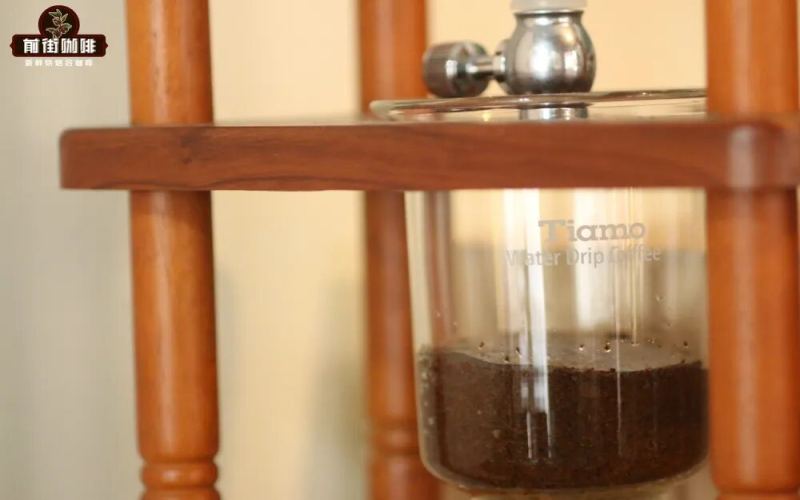
Cold Brew Coffee | Which coffee beans are suitable for cold brew coffee? What is the process for making cold brew coffee? How fine should the coffee grounds be ground for cold brew?
Making a delicious cold brew coffee requires attention to many details, such as the choice of cold brew coffee beans, grind size, coffee-to-water ratio, drip rate, storage and shelf life, and so on. So today Front Street will cover all these operational details in this article. 1. Coffee beans for making cold brew: both cold brew and ice drip belong to low-temperature extraction. [more…]